
Craps can be a sharp test of discipline, but several wagers give the house an oversized edge before the dice are thrown. For Aussies playing at Sydney locals, understanding those traps matters more than chasing flashy payouts. This guide examines craps worst bets explained through practical casino operations: table rules, game discovery, stake controls and responsible play. We also compare Australian expectations with global standards overseas.
Where the worst craps wagers lose players money

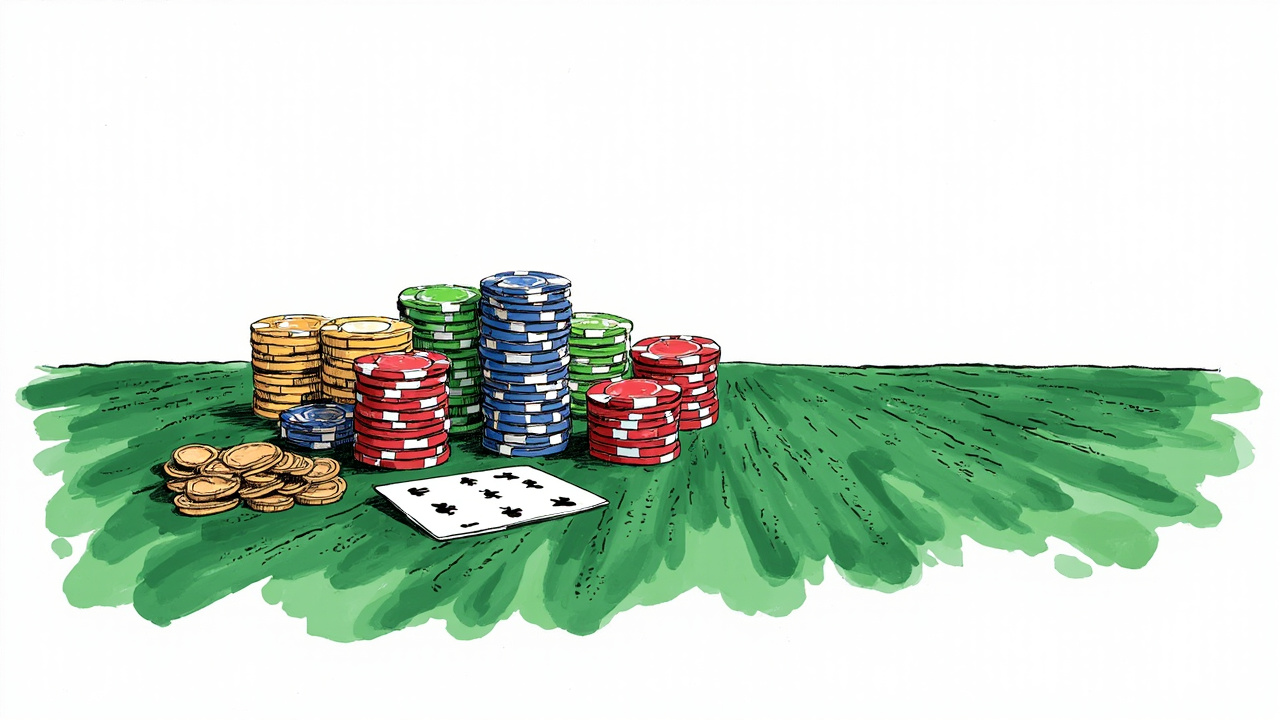
A craps casino table is easy to enter but harder to judge quickly. The pass line and come bets are usually the most straightforward starting points, while propositions such as Any Craps, Any 7 or Horn bets can carry serious built-in house advantages. Exact rules still need checking on the table placard.
Players should inspect the game mix, table limits, fee disclosures and payout information before committing cash. In a busy venue around Sydney’s Pitt Street, that thirty-second check can prevent an expensive misunderstanding. It is the same labour-efficiency discipline used on a busy casino floor: clear information, clear limits and no unnecessary handling.
For a quick comparison of the main options, start with the following table and use the actual table rules as the final authority.
| Bet | Typical house edge | Practical assessment |
|---|---|---|
| Pass Line | About 1.36% | Better structure than most proposition bets |
| Come | About 1.36% | Requires an additional come-out roll |
| Any Craps or Any 7 | About 11.11% | High house advantage |
| Horn bet | About 7.36% to 11.11% | High cost relative to its possible return |
These figures describe standard rules, not every venue’s arrangement. A comparison of craps odds and bets explained can help players understand the maths before choosing a table.
Reading the table without confusing the payouts
The largest payout is not automatically the best value. A proposition paying 30 to 1 might look tempting, but the odds rarely justify the stake. By contrast, the Pass Line pays only 1 to 1 yet gives the bet a materially lower house edge because of how winning and losing rolls are structured.
The point is to compare likely outcomes, not headline returns. A casino operator should be able to explain any wager in plain English, including the payout, the odds and the maximum stake. If a host cannot clarify a rule, leave that wager alone. No worries does not mean accepting ambiguous terms.
This is where the game catalogue and lobby become relevant. A well-organised craps section should separate its game variants, identify the table rules, publish limits and make support contacts accessible. For mobile play, test whether information remains visible when the interface rotates or a live table becomes busy. Players wanting a separate example can compare the aviator plane game, but this should never imply that it is a licensed Australian casino product.
A clean Australian comparison with overseas practice
Australian casinos usually communicate stake ranges, table procedures and responsible-play tools in a direct, practical style. The United States often presents richer craps layouts, proposition bets and complex payout traditions; the UK may offer fewer dedicated craps tables and rely more heavily on electronic formats. Europe varies considerably by market. These differences matter because a familiar overseas strategy may not translate cleanly to a Sydney table.
The global standard worth adopting is not one particular bet or layout. It is transparent information and enforceable player limits. In Australia, that means checking current identification requirements, using available deposit or session controls and speaking to staff when play no longer feels controlled. Never imply that an offshore venue is licensed or regulated here.
A short pre-session checklist helps:
- Confirm the Pass Line and point rules.
- Check proposition payouts and table fees.
- Set a personal cash and time limit.
- Keep the drink and device out of decision-making.
- Leave when the planned session ends.
Making the catalogue useful, not merely crowded
Craps deserves a visible place in a casino lobby, even if dedicated tables are limited. Search should return live and digital craps variants, nearby tables, minimum stakes and any rule differences without requiring several support clicks. For a high-volume venue, that saves dealer explanations, reduces disputes and lets guests make an informed choice quickly.
Operator-side, the catalogue should show which game is active, whether it accepts new players, the current table minimum and the responsible-gaming tools attached to the account. A clear “rules and limits” control beats burying the same information across five menus. Players should also be able to locate support and loyalty information without asking staff to translate the interface.
“Cameron Ryan, Lead Gaming Analyst at Outback Gaming Research, says the decisive factor is whether the betting information appears before the stake rather than after the result.”
That approach matches sound service standards in Sydney casinos and the better global practice of surfacing cost and restrictions early. Conversion comes from confidence in the presentation, not from suggesting every game is equally suitable.
Keep the edge visible and the session controlled
The worst craps bets are not forbidden because every hand is random; they are poor value because their rules charge players too much. Any Craps, Any 7 and costly Horn combinations deserve particular scepticism, while the Pass Line remains a more defensible foundation under standard rules.
“Annika Roberts, Responsible Gambling Adviser at Pacific Wager Analytics, cautions that choosing a lower-edge wager never replaces firm session limits.”
A player-fit verdict is straightforward: disciplined recreational players who read the rules and cap their exposure can enjoy craps; punters attracted mainly by huge proposition payouts should look elsewhere. At Sydney locals, check the on-screen rules, keep the stake modest and use available account controls. The house edge never disappears, but a well-informed decision can prevent the worst avoidable losses.