
A hot hand can make a quiet session at an Adelaide casino feel like destiny. Yet the reality of gambling psychology hot hand is less mystical: wins can encourage riskier bets, while losses can trigger desperate attempts to recover them. For Australian adults, recognising that pattern is the first step to keeping the experience entertaining and within limits.
How the Hot Hand Feeling Builds
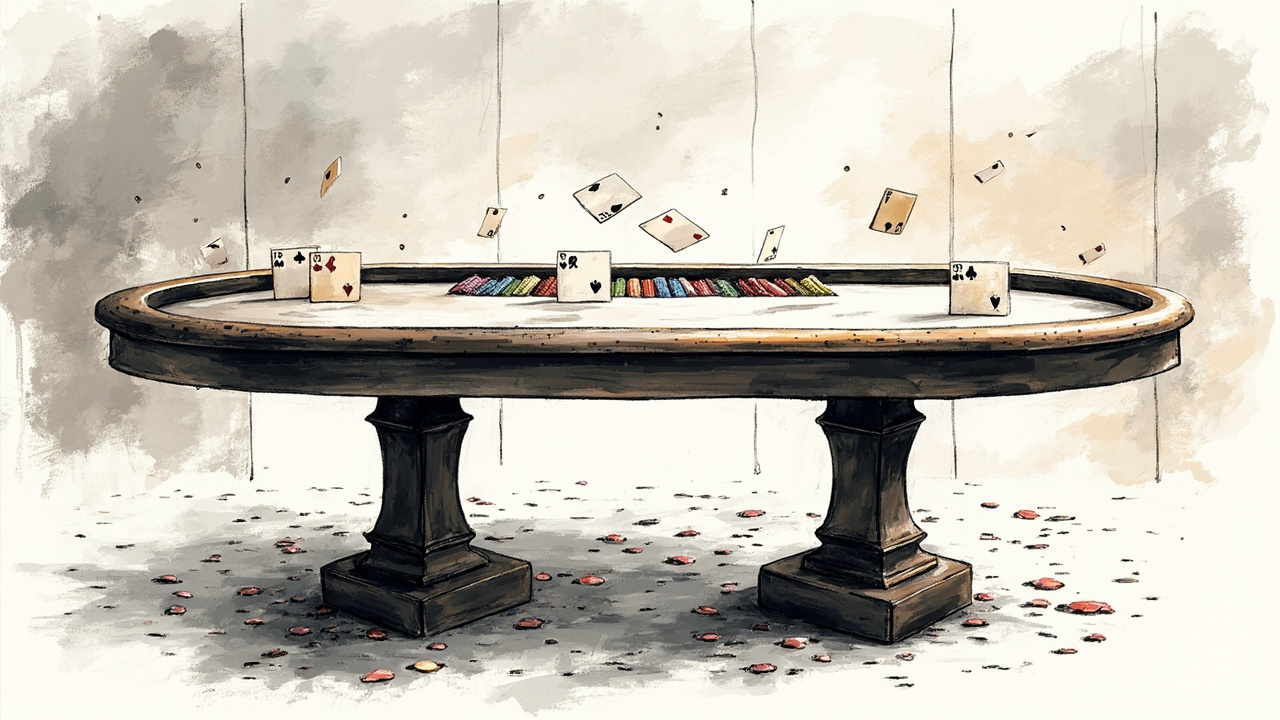
Players often describe a hot hand as a run of wins suggesting the next bet is more likely to succeed. That feeling is persuasive because recent results are easy to recall and easy to overestimate. A roulette colour, blackjack sequence or poker hand can seem to reveal a hidden rhythm, even though each new wager remains independent in games governed by chance.
The famous blackjack team dramatised in 21 (2008) exploited disciplined counting, not luck alone. The film’s slick confidence also illustrates why casino psychology is worth studying: a winning run can persuade players that their judgement has become supernatural. I have seen that same assumption during casino operations across eight properties, and it can change behaviour quickly at a crowded table.
For a practical model, compare the reasoning behind a planned bet with the reasoning behind “one more because it is due”. The first uses rules and a bankroll; the second follows a temporary mood. That distinction is central to understanding the gambling psychology hot hand.
What Players Experience at the Table
At brick-and-mortar venues, the hot-hand feeling gains social power. Other players react to cheers, a dealer’s winning streak or the silence after a missed chance. A run that feels meaningful can alter table etiquette, tipping and stake size. In my experience opening and running venues across Asia-Pacific, even experienced staff may notice when a table’s mood changes after several results.
Consider this simple sequence:
- Three wins encourage a larger next stake.
- The wager loses.
- The player increases the amount to “get even”.
- Another loss leaves the bankroll smaller and the original plan abandoned.
That is not merely a bad result. It is a shift from controlled play to chasing outcomes. The brain may also produce patterns from unrelated events: the same blackjack hand, a repeated roulette number or a particular slot theme becoming “the one”. Pattern recognition is useful, but it should not be mistaken for prediction.
The practical question is simple: would this stake have been chosen before seeing the last result? If not, the hot hand is influencing the decision.

Online Play and the Hot Hand Illusion
Digital tables compress time, making the cycle easier to miss. A quick session in Adelaide at arvo can become an extended evening because every tap promises another round and the next game loads without ceremony. The same illusion can appear in licensed Australian play or in an offshore site presented as an online casino; neither is automatically safer merely because it is accessible or familiar.
Australian and New Zealand share deep racing and betting ties, so bookmakers and players often understand form, streaks and market moves. However, a racing favourite’s recent form does not make the next race predictable in the same way gamblers sometimes assume a blackjack or roulette streak will repeat.
Try separating the experience into three deliberate stages:
- Set a session limit and a time reminder.
- Choose the stake before starting each round.
- Pause to reassess after a win, not only after a loss.
Keep records by session rather than individual hands. If the same slot repeatedly attracts more play than planned, that may reveal more about attention and reward salience than about odds.
A Practical Bankroll Boundary
A hot hand is most dangerous when it changes the size of wagers faster than the player notices. Casino operations teach one blunt lesson: volatility can punish abrupt stake increases without warning. A player who doubles after each loss may not recover the original amount, while a player who multiplies stakes after a win can surrender a substantial profit when the sequence ends.
For Australian adults, a useful boundary is to decide the maximum total loss and session duration before play. Use AUD amounts, not vague intentions, and keep essential spending separate. The aim is not to eliminate enjoyment; it is to make decisions less dependent on a temporary emotional state.
I remember advising teams that attractive bonus mechanics can amplify this effect because a promotional offer changes how long a session feels. The proper response is to treat the bonus as a condition attached to play, not as money already won. Likewise, check licensing, withdrawal terms, game rules and identity requirements carefully.
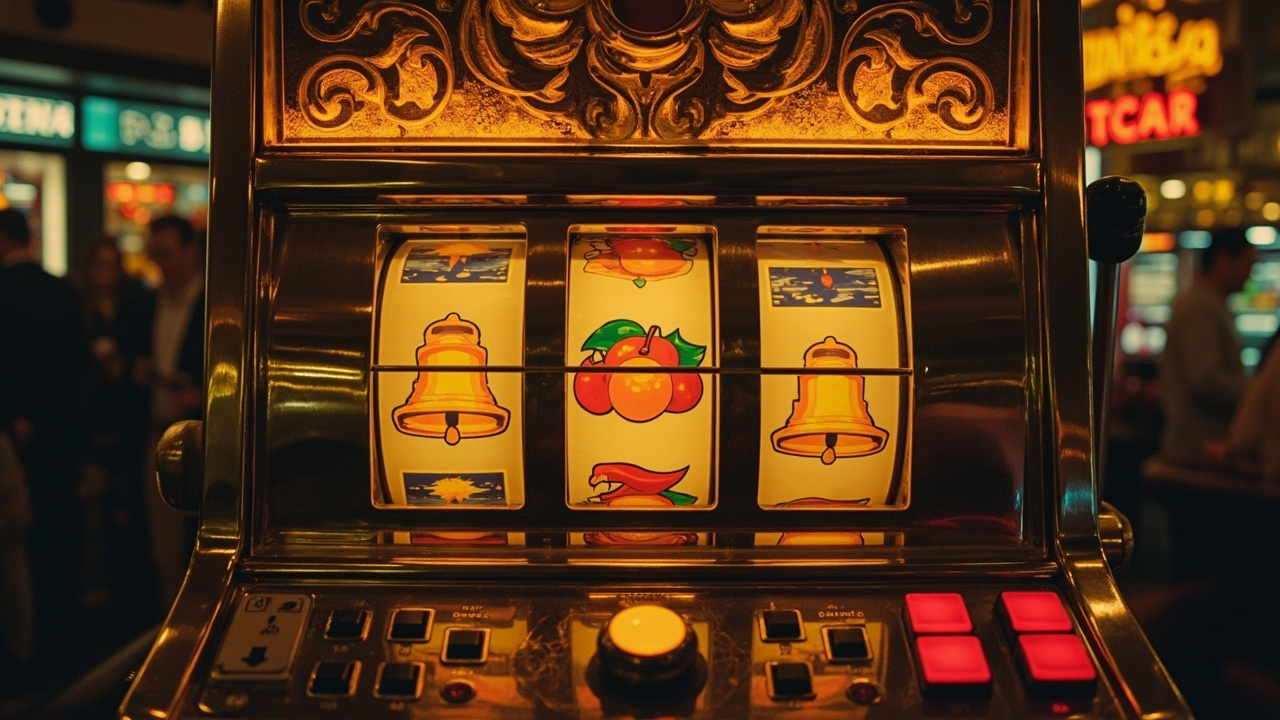
Support should be easy to find before a session becomes difficult. Any reputable operator will provide account controls, responsible-play information and a clear route for seeking help. Players can also compare practical safeguards and customer support standards in this overview of safer online casino choices.
Keeping the Experience Under Control
The hot hand does not require disbelief in patterns to be managed. It requires remembering that a memorable run can influence judgement without proving a repeatable advantage. Use fixed stakes, take breaks and leave when the session limit is reached, regardless of the last result.
A useful pre-play check is: if this sequence had ended differently, would I still be making the same choice? If the answer is no, pause before acting. Keeping a session diary can also reveal whether the issue is game choice, stake escalation, fatigue or simply the desire to extend a good feeling.
No casino can remove that desire or promise a profitable return. What each player can control is exposure, pace and decision-making. At a busy Adelaide venue or on a phone, those controls remain the most reliable tools for keeping gambling entertainment in perspective. For further background, UGGA Bugga Australia offers material suited to Australian adults exploring safer gambling habits.